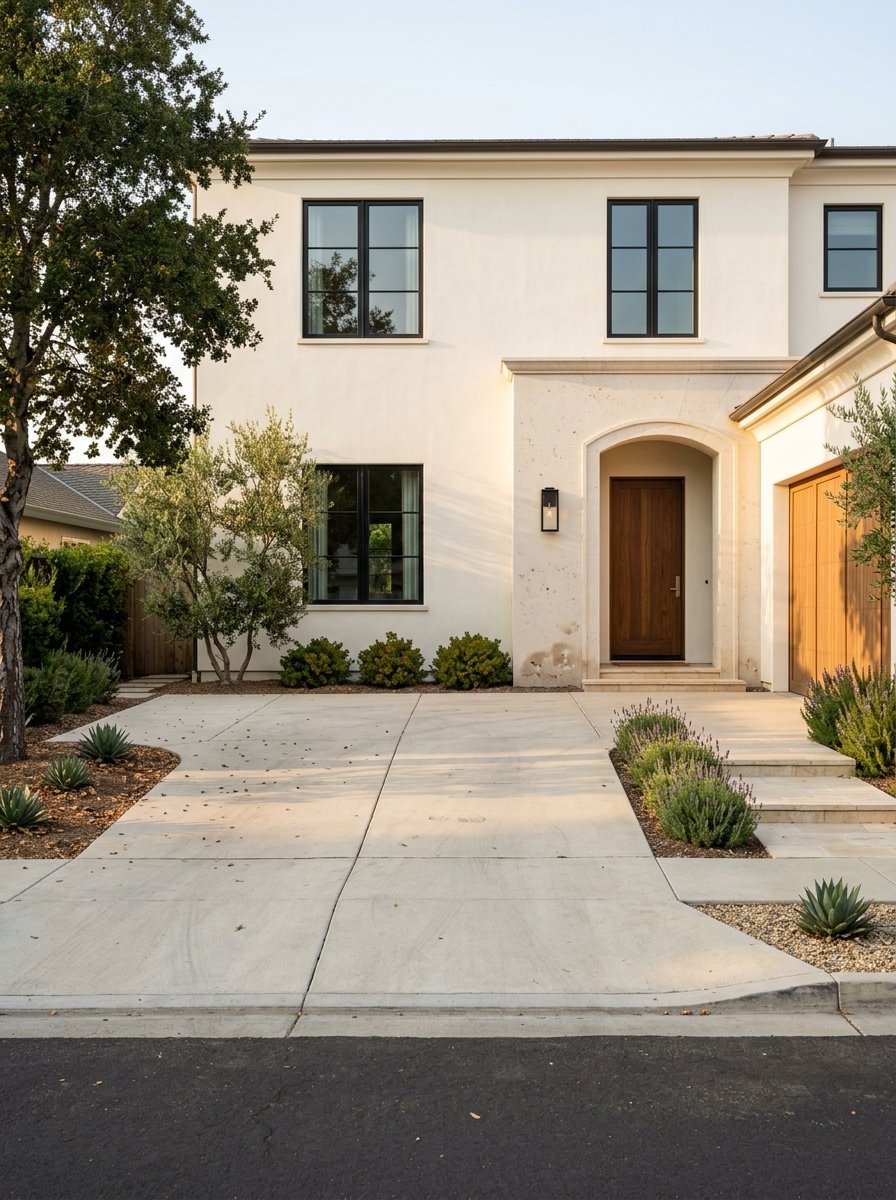
If you are picturing Calabasas as just a famous zip code, the day-to-day reality may surprise you. Living here feels less like a nonstop urban scene and more like a polished residential routine shaped by trails, parks, organized community spaces, and a few well-known hubs for dining and errands. If you are trying to decide whether Calabasas fits your lifestyle, this guide will help you understand what daily life actually looks like. Let’s dive in.
Calabasas at a glance
Calabasas is a 13.3-square-mile city about 22 miles northwest of downtown Los Angeles in the southwestern San Fernando Valley. It sits between the foothills of the Santa Monica and Santa Susanna Mountains, which gives the city a tucked-away feel while still keeping it connected to the wider Los Angeles area.
The city was incorporated in 1991, but its identity reaches further back through Old Town Calabasas and historic landmarks like Leonis Adobe. That preserved historic core gives Calabasas a sense of place that feels intentional, not accidental.
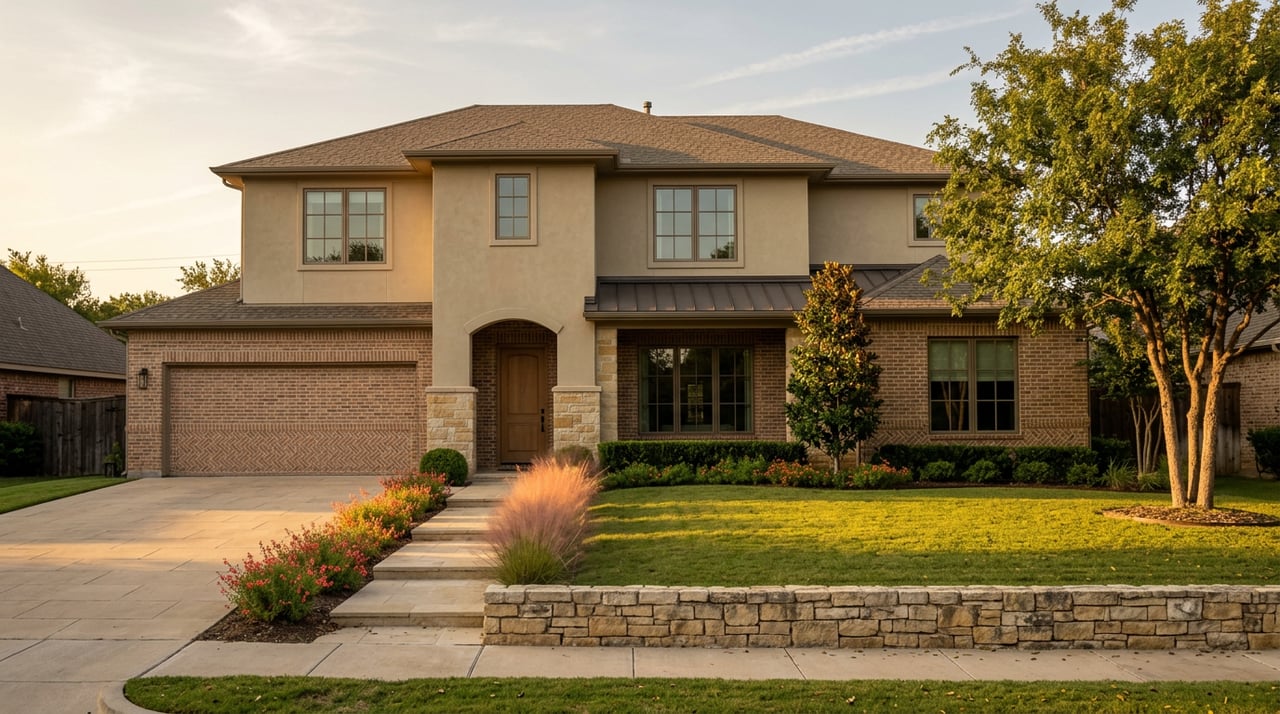
In practical terms, Calabasas reads as an upscale residential market. The 2020 Census reports 23,241 residents, 68.5% owner occupancy, a median household income of $165,288, and a median owner-occupied home value above $1.5 million.
The overall feel of daily life
Living in Calabasas tends to feel orderly, residential, and outdoors-oriented. Instead of a dense walk-everywhere layout, you will find a community where everyday life often revolves around driving, planned stops, and local recreation.
That rhythm works well for people who want a quieter home base with access to parks, classes, community events, and trail systems nearby. The city also feels relatively compact in how it is organized, with shopping, civic spaces, and recreation clustered around a few recognizable areas.
If you want a neighborhood feel with polished surroundings and a more routine-friendly pace, Calabasas has that reputation for a reason. If you want a nightlife-driven or highly urban street grid, the lifestyle here may feel more subdued.
Getting around Calabasas
Driving is part of the routine
Calabasas sits along the Highway 101 corridor, so driving is a major part of everyday life for many residents. Census data shows the average one-way commute is 34.1 minutes, which gives you a realistic sense of how commute-heavy daily schedules can feel.
For many households, that means planning your day around school, work, errands, and traffic flow. Even though Calabasas feels close to a lot, it is still a place where your car often plays a central role.
Local transit is useful for select trips
Calabasas does offer local transit options, but they function more like practical community connectors than big-city rail service. The free Line 1 fixed route runs Monday through Friday from 6:30 a.m. to 6:30 p.m. and serves key spots including Malibu Hills Community Center, de Anza Park, the Civic Center, The Commons, and Calabasas High School.
The Calabasas Flyer adds on-demand service inside the city and also connects to nearby destinations such as Westfield Topanga Mall, The Village, Fallbrook Center, and Metro’s Canoga G Line Station. There is also Flyer Plus, a Dial-A-Ride option for eligible residents age 65 and older, people with permanent disabilities, and those with a serious medical condition.
What that means for your lifestyle
If you are hoping for a car-light lifestyle, Calabasas may not fully deliver that in the way a denser urban neighborhood would. But if you want a suburban setting with some transit support for errands, civic destinations, and regional shopping, the local system adds convenience.
Outdoor access is a major perk
Trails and open space are close by
One of the strongest parts of living in Calabasas is how easy it is to build outdoor time into your regular routine. The Santa Monica Mountains National Recreation Area includes 153,075 acres, and the National Park Service describes it as the world’s largest urban national park.
Trails in that recreation area are open 24 hours a day, and the Anthony C. Beilenson Visitor Center is located at King Gillette Ranch in Calabasas. That kind of access is unusual for a Los Angeles suburb and becomes part of how many people experience the city.
City parks support everyday recreation
Calabasas also has a strong local parks and facilities network. Juan Bautista de Anza Park includes a trailhead to the Las Virgenes Trail, and Wild Walnut Park includes separate small and large dog parks.
The Calabasas Civic Center, Community Center, and Tennis & Swim Center add more options through sports courts, swim lessons, tennis courts, classes, and event space. In everyday terms, this means you do not need to leave the city to find structured recreation or casual outdoor time.
Bigger outdoor outings are nearby
For longer weekend plans, Malibu Creek State Park is in Calabasas and preserves about 8,000 acres. The Upper Las Virgenes Canyon Open Space Preserve also has a trailhead at the northern end of Las Virgenes Canyon Road in Calabasas and offers more than 5,600 acres for hiking, biking, and equestrian use.
If your ideal weekend includes trail time, dog walks, park visits, or recreation close to home, Calabasas offers that in a very direct way. Outdoor access is not just a bonus here. It is part of the city’s lifestyle.
Shopping and dining in Calabasas
The Commons is a central hub
The Commons at Calabasas is the city’s signature shopping and dining destination. Caruso describes it as a 215,000-square-foot open-air center with Mediterranean styling, 22 retailers, and 13 restaurants.
More than that, it plays a town-square role in community life. For many residents, it is one of the places where errands, casual meals, and meetups naturally overlap.
Old Town offers a different character
Old Town Calabasas has a smaller and more historic feel. The city identifies it as the primary retail shopping area and notes that Leonis Adobe, shops, and restaurants are within walking distance of the Civic Center.
This area gives Calabasas a layer of local character that feels distinct from newer retail centers. If you enjoy places with visible history and a more intimate scale, Old Town adds that dimension.
Everyday convenience is focused, not sprawling
In practical terms, shopping and dining in Calabasas tend to cluster around a few polished hubs instead of stretching across a dense commercial grid. That can make day-to-day errands feel straightforward, though you may still leave the city for certain major shopping trips.
The Calabasas Flyer helps with that by connecting residents to regional retail spots without requiring a full freeway drive every time. For some households, that adds flexibility to the weekly routine.
Community life feels structured and active
Calabasas has a community calendar that reflects a strong local rhythm. Recurring events include the 4th of July Spectacular, Bunny Trail Junior Egg Hunt, Pumpkin Festival, Summer Dive-In Movie Nights, and the SunSets Summer Concert Series at Calabasas Lake.
The Community Center and Civic Center also host classes, sports, and civic programming throughout the year. That gives residents multiple ways to plug into local life beyond just where they live.
This matters because some cities feel like a collection of homes with little shared rhythm. Calabasas appears more intentional in how it uses events, recreation, and civic spaces to shape community life.
Who tends to enjoy living here most
Calabasas tends to fit people who want a residential setting with strong access to recreation, a polished atmosphere, and clearly defined places for shopping and community activity. If you value trails, parks, organized classes, and a quieter day-to-day pace, the city checks many of those boxes.
It can also appeal to people who want a home base that feels separate from central Los Angeles while still remaining tied to the region through the 101 corridor and local transit links. The tradeoff is that daily life is still more drive-oriented than walk-everywhere.
Like any city, the best fit comes down to your routine. If your ideal lifestyle includes outdoor access, neighborhood-scale living, and a calm, established feel, Calabasas may align well with what you are looking for.
What to keep in mind before moving
Before choosing Calabasas, it helps to think less about its reputation and more about your real habits. Ask yourself how often you want access to trails and parks, how comfortable you are with a driving-based routine, and whether you prefer a quieter residential environment over a denser urban pace.
It is also worth considering that Calabasas is a high-cost housing market, based on Census figures for home values and household income. That does not make it right or wrong for you, but it does make it important to weigh lifestyle value alongside your budget and priorities.
A move works best when the place fits how you actually live. In Calabasas, that usually means choosing a city for its outdoor access, residential rhythm, and organized community feel rather than for nonstop urban convenience.
If you are weighing a move to Calabasas or trying to understand how the area fits your goals, working with a knowledgeable advisor can help you look beyond headlines and focus on your real lifestyle needs. For thoughtful guidance and a calm, strategic approach, connect with Jennifer Holmes.
FAQs
What is daily life like in Calabasas?
- Daily life in Calabasas tends to feel residential, organized, and outdoors-oriented, with routines often centered on driving, parks, trails, community facilities, and a few main shopping and dining hubs.
Is Calabasas a walkable city for everyday errands?
- Calabasas has walkable pockets such as Old Town, but most daily life is more car-oriented than a dense urban neighborhood, with local shuttle-style transit helping for select trips.
What outdoor activities are available in Calabasas?
- Calabasas offers access to city parks, dog parks, trailheads, the Santa Monica Mountains National Recreation Area, Malibu Creek State Park, and the Upper Las Virgenes Canyon Open Space Preserve.
What are the main shopping areas in Calabasas?
- The main shopping areas in Calabasas include The Commons at Calabasas and Old Town Calabasas, with transit connections to larger nearby retail destinations such as Westfield Topanga and The Village.
Is Calabasas more urban or suburban in feel?
- Calabasas generally feels more suburban than urban, with a quieter residential pace, polished community spaces, and less emphasis on dense street life or nightlife.
What kind of transportation options does Calabasas offer?
- Calabasas offers driving access along the 101 corridor, the free Line 1 fixed route, the on-demand Calabasas Flyer, and Flyer Plus for eligible riders who meet age, disability, or medical criteria.